
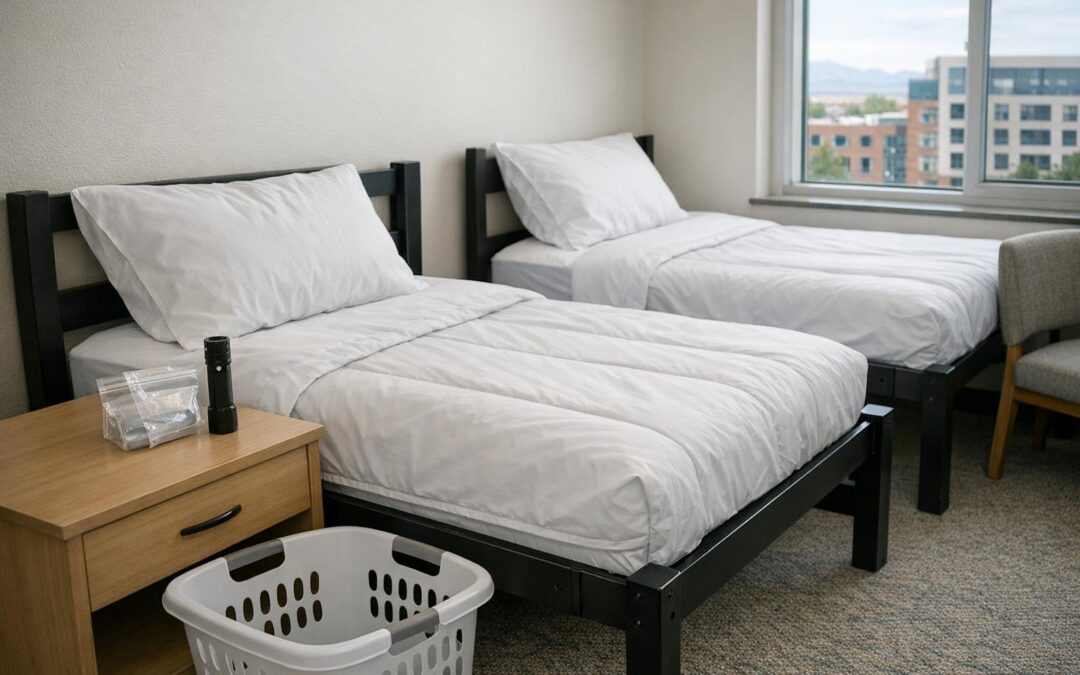
Move-in season is when bed bugs spread fastest—because turnover is the perfect delivery system
August leasing and campus move-ins around Denver, Colorado bring an operational reality for student housing teams: lots of new people, lots of luggage, and lots of furniture moving through elevators, hallways, common areas, and unit after unit. Bed bugs don’t “come from being dirty”—they often arrive as stowaways in bags, soft goods, or used furniture. A repeatable protocol is the difference between a contained incident and a building-wide disruption.
This guide is written for property managers, student housing operators, and landlords who want a clear university housing bed bug protocol that can be trained, repeated, audited, and communicated to residents. It focuses on (1) early detection, (2) move-in/move-out controls, (3) fast escalation steps, and (4) treatment readiness so downtime stays low.
1) Core policy: what your “bed bug protocol” should include (in plain language)
A workable bed bug protocol isn’t just “call pest control.” It’s a short policy with clear roles and timelines. For most Denver multi-unit and student housing operations, your protocol should define:
• Reporting channel: One official method (portal form, hotline, or email) so reports aren’t lost.
• Response SLA: When staff will acknowledge, inspect, and escalate (example: same day acknowledgement, inspection within 24–48 hours).
• Access rules: How you coordinate entry, privacy expectations, and resident prep steps.
• Unit adjacency plan: What you do about units next door/above/below (monitoring and/or inspection) since bed bugs can spread in multi-unit settings.
• Treatment decision tree: When to use non-chemical steps, professional heat remediation, targeted pesticide applications, and follow-up monitoring as part of an integrated plan (IPM).
• Documentation: What gets recorded (dates, findings, prep compliance, service notes, follow-up schedule).
Many public health and regulatory sources emphasize Integrated Pest Management (IPM) for bed bugs because eggs and hiding behavior make one-off tactics unreliable on their own. IPM combines inspection, monitoring, non-chemical controls, and careful product use where appropriate.
2) Inspection checklist for turnovers (move-out and pre-move-in)
Build this checklist into your standard turn process—especially for furnished units, dorm-style setups, and shared housing.
A. High-yield areas to inspect (10–15 minutes per unit when trained)
• Beds: mattress seams/piping, tags, box spring edges, headboard cracks, bed frame joints
• Nearby furniture: nightstands (underside, drawer joints), couches/chairs (seams, under cushions)
• Wall proximity: baseboards, behind loose trim, picture frames, outlet plates (visual only unless trained/authorized)
• Clutter zones: under-bed storage, closets near sleeping areas, laundry piles
• “Evidence” to look for: live bugs, shed skins, tiny whitish eggs, dark spotting on seams and edges
B. Screening questions for residents at move-out
• Any unexplained bites, itching, or “bugs in bed” reports?
• Any recent travel, guests, or used furniture brought in?
• Any DIY sprays, foggers, or “bug bombs” used?
Note: Bite reactions vary and aren’t diagnostic by themselves; confirmation is best achieved by identifying the insect or signs in the environment.
Operational tip (helps a lot in student housing)
Treat “found used mattress/furniture” as a policy violation with a clear disposal plan. Used upholstered items are a common introduction pathway in high-turnover housing.
3) Quick “Did you know?” facts (worth including in staff training)
Bed bugs feed at night and can cause insomnia, anxiety, and skin irritation for some people—resident distress can be high even in small incidents.
Eggs complicate control: bed bug eggs are more resistant than mobile stages, which is why professional programs often combine methods and plan follow-ups as needed.
Pesticide safety matters: only use products labeled for bed bugs and properly registered; unregistered products haven’t been reviewed for effectiveness and safety.
4) Table: Move-in / Move-out protocol by phase (simple enough to enforce)
Phase
What Staff Does
What Residents Do
Documentation
Move-out
Inspect sleeping areas; flag used furniture; bag and isolate suspect soft goods; schedule pro inspection if signs appear.
Report concerns early; avoid moving items to common areas if suspected; follow laundry/dryer steps if directed.
Unit turn log; photos of evidence; date/time; next steps assigned.
Pre-move-in
Verify bed/frame condition; install/verify monitors where used; confirm remediation completion and clearance.
Keep bags off beds; avoid used upholstered furniture; report sightings immediately (don’t wait).
Clearance checklist signed; monitor placement map (if used).
Move-in week
Triage reports fast; do same-day visual checks when possible; avoid “wait and see” if multiple reports cluster.
Limit item movement between units; follow prep instructions if inspection is scheduled.
Ticketing time stamps; resident comms template used; next inspection scheduled.
5) Escalation path: what to do the moment you suspect bed bugs
Speed and containment beat guesswork. If a resident reports bed bugs (or your team sees signs), use a consistent escalation path:
Step-by-step (staff playbook)
1) Capture the report correctly: unit number, where bites/sightings occurred, when noticed, photos if available.
2) Reduce spread immediately: ask resident not to move items into hallways, laundry rooms, lounges, or other units until a plan is set.
3) Schedule an inspection quickly: a trained inspection is the fastest way to avoid unnecessary panic and unnecessary treatments.
4) Check adjacency: in apartments/dorms, consider monitoring or inspection in neighboring units based on risk (shared walls, frequent traffic, history).
5) Avoid unsafe DIY chemicals: “bug bombs” and misuse of pesticides can create exposure risks and may not reach hidden harborages; only use products labeled for bed bugs and follow label directions.
6) Choose a professional IPM plan: typically includes targeted treatment + follow-up monitoring to confirm elimination.
Where heat remediation fits
Professional heat remediation is popular in student housing because it can be completed quickly when executed properly, with room temperatures commonly raised into a lethal range and held long enough for heat to penetrate belongings and common hiding places. The “hold time” is crucial—getting the air hot is not the same as getting every item hot all the way through.
6) Resident communication template (clear, calm, and compliance-focused)
Message goal: reduce stress, prevent spread, and increase prep compliance.
Key points to include:
• We will inspect promptly and share next steps.
• Do not move bedding, clothing, or furniture into common areas.
• If directed, dry items on high heat (drying is often more important than washing for heat-kill).
• Avoid DIY pesticide misuse; only approved treatments will be used.
• If you have medical concerns about bites, consult a healthcare provider.
7) Denver-specific operational angle: what makes Front Range move-ins tricky
Denver’s student housing footprint spans traditional dorms, off-campus apartments, and high-density shared living. During August, you’ll see:
• Compressed timelines: quick turns leave little margin for long, drawn-out treatment cycles.
• Building-wide traffic: move-in carts and elevator queues increase cross-contact risk.
• Furnished units and soft goods: more seams, more hiding places, more risk.
A strong protocol emphasizes early reporting, fast inspection, and a treatment plan that minimizes resident displacement when possible.
Need help building a move-in-ready bed bug protocol for your property?
Thermal Clean supports Denver-area property managers with inspections, commercial bed bug solutions, and efficient treatment plans that fit turnover schedules.
FAQ: University housing bed bug protocol
How fast should we respond to a bed bug report during move-in?
Aim for same-day acknowledgement and a rapid inspection window (often within 24–48 hours). The priority is preventing spread through item movement and confirming evidence quickly.
Should we treat the whole building if one unit has bed bugs?
Not automatically. Most teams use a risk-based approach: inspect/treat the affected unit and evaluate adjacent units with monitoring or inspection. Multi-unit coordination is important, but blanket treatment can be disruptive and unnecessary.
Are bed bug bites enough to confirm an infestation?
No. Reactions vary by person and can resemble other insect bites or skin irritation. Confirmation is best made by identifying bed bugs or physical signs in the unit.
Can residents use store-bought sprays or foggers?
Discourage uncoordinated DIY pesticide use. Misuse can create safety issues and may worsen control by scattering bugs into new hiding places. If pesticides are used, they should be labeled for bed bugs and applied according to the label.
What should we do with a resident’s clothing and bedding during an incident?
Use sealed bags for transport and, when directed, run items through a dryer on high heat. Heat is a key tool in bed bug control, but timing and handling matter to avoid re-infesting clean items.
Glossary (helpful for training new leasing & maintenance staff)
Integrated Pest Management (IPM): A practical approach that combines inspection, monitoring, non-chemical controls, and careful use of labeled products as needed—rather than relying on a single tactic.
Harborage: A protected hiding spot where bed bugs cluster (seams, cracks, furniture joints, behind headboards).
Adjacency (adjacent units): Units sharing walls/ceilings/floors with an affected unit; often considered for monitoring or inspection in multi-unit housing.
Heat remediation (thermal heat treatment): Professional process that raises temperatures to a lethal range and holds them long enough for heat to penetrate items and hiding places.