
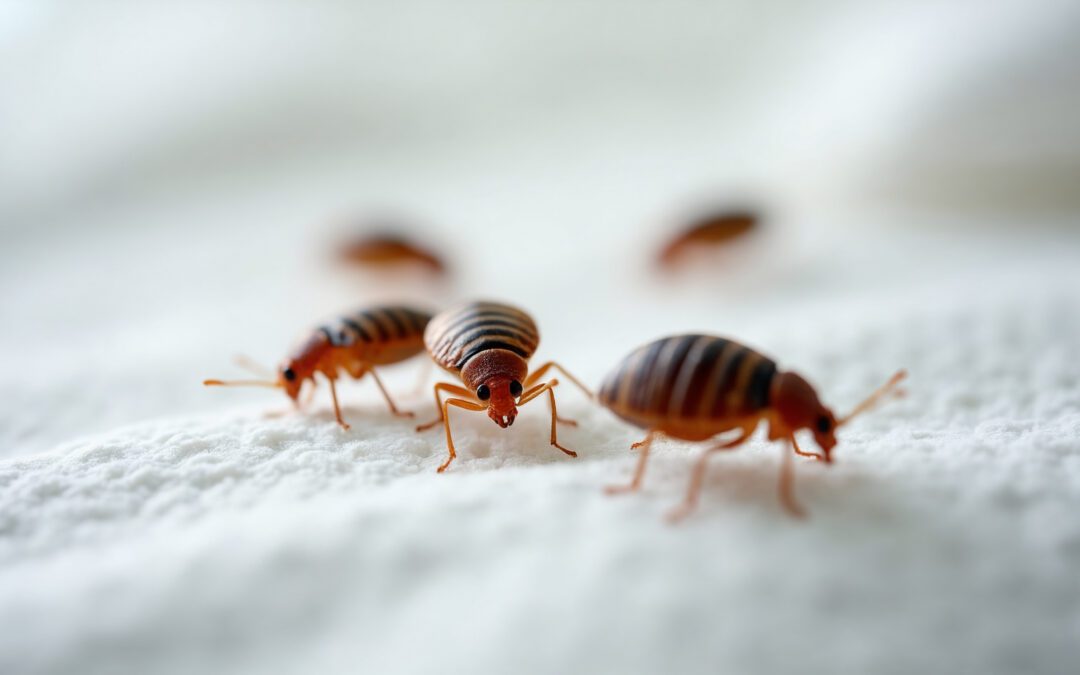
Keep bed bugs out of your suitcase—so they never reach your home, car, or rental
Summer travel season around Denver often means hotels, vacation rentals, moving trucks, ride shares, and busy airports—exactly the environments where bed bugs can hitchhike on belongings. Bed bugs don’t fly, but they’re excellent at sneaking into seams, zippers, and cluttered items that sit near sleeping areas. Smart “luggage isolation” is one of the most effective ways to reduce your risk of bringing bed bugs back to the Denver Metro. The goal is simple: keep your luggage off soft surfaces, limit hiding spots, and create a clean “buffer” between where you slept and what you take home. Guidance from public-health and extension resources consistently emphasizes inspection, keeping bags elevated, and post-travel heat (laundry/dryer) as key prevention steps.
What “luggage isolation” means (and why it works)
Luggage isolation is a prevention routine that separates your suitcase and travel items from the places bed bugs are most likely to be: beds, upholstered furniture, baseboards, and bedside clutter. Bed bugs are attracted to people (heat and carbon dioxide) and prefer to hide in tight cracks and fabric folds. When your suitcase sits on the bed, on carpet next to the bed, or on a couch, you’re giving them easy access to seams and pockets where they can ride home unnoticed.
Quick reality check: A “nice” hotel can still have bed bugs. Bed bugs are found worldwide, and their presence isn’t determined by cleanliness alone. That’s why a consistent travel routine matters more than guesswork.
Where bed bugs hide on (and around) travel items
Bed bugs are flat and can tuck into surprisingly small spaces. When you travel, the highest-risk “hitchhike points” include:
- On luggage: zipper tracks, seams, piping/trim, handles, wheels, and interior lining folds.
- On personal items: backpacks, purses, laptop bags, toiletry kits, camera cases.
- On clothing: piles on the floor, items draped over chairs, and clothes stored in hotel drawers.
- In transportation: soft seats (rideshares, buses), rental cars, moving trucks, and luggage racks/carts that circulate between rooms.
A simple, repeatable hotel routine: inspect, isolate, contain
Step 1: Before you unpack, do a 2-minute “hot spot” inspection
Focus on the bed area: mattress seams, headboard area, and nearby furniture. If you see signs (live bugs, small dark spotting, shed skins), ask for a different room—ideally not adjacent to the original. Many travel safety guides stress inspecting sleeping areas before settling in.
Step 2: Isolate the suitcase (your “no-bed, no-couch” rule)
Keep luggage off the bed and away from the walls. Use a luggage rack if available (after a quick look at straps and joints), or choose a hard surface such as tile in the bathroom area while you inspect. EPA travel tips emphasize keeping luggage elevated and away from the bed.
Step 3: Contain your clothes inside “clean zones”
Use sealable plastic bags or packing cubes to separate:
- Clean/unworn clothing
- Worn clothing
- Shoes (separate bag)
EPA prevention materials commonly recommend sealing travel items in plastic to reduce the odds of bringing bed bugs home.
Step 4: Choose luggage that’s easier to inspect
Hard-sided, smooth luggage is typically easier to inspect and has fewer fabric folds and seams than soft-sided bags. Several public guidance documents recommend hard-shelled luggage as a prevention measure.
Post-travel checklist: what to do the moment you get back to Denver
The most reliable “reset” after travel is heat via the dryer for appropriate items. Many extension and public resources emphasize laundering and high-heat drying after travel and keeping luggage from spreading into sleeping areas.
| Item | Where to put it first | What to do next |
| Clothes (worn + unworn) | Backpack/laptop bag | Dry on high heat as fabric allows, then wash; store in clean bags until done |
| Shoes | Garage/entryway on a hard surface | Inspect seams and soles; keep separate from closets until you’re confident |
| Suitcase | Garage, patio, or bathtub (hard surface) | Vacuum seams/zipper area; inspect; wipe hard-shell cases; store away from bedrooms |
| Backpack / laptop bag | Hard surface near entry | Empty pockets; inspect zippers; consider a “travel-only” bag for high-frequency trips |
Avoid a common mistake: bringing your suitcase straight to the bedroom to unpack. If bed bugs rode home in a zipper seam, that’s the fastest way to introduce them to carpet, baseboards, and your bed frame.
What about vehicles, rentals, and moving trucks?
Denver travelers often ask about bed bugs in cars after airport pickups, ski trips, or moving days along the Front Range. While bed bugs prefer to stay near where people sleep, they can be transported in bags and personal items and end up in vehicles—especially if luggage sits on upholstered seats or gets stored in a cluttered trunk with blankets and gear.
Vehicle risk goes up when: you place suitcases on fabric seats, store unbagged clothing in the car, or keep travel gear in the vehicle for days after the trip.
Safer routine: keep travel items bagged, use hard plastic bins when possible, and do the same “entryway unpack” process before items reach bedrooms.
Denver & Front Range considerations: why early action matters here
Along the Denver Metro, bed bug activity often spikes with travel and turnover—summer vacations, college housing transitions, apartment move-ins, and hospitality traffic. Colorado’s public health guidance notes that bed bugs are considered a nuisance pest rather than a disease-driven public health issue, which means prevention and professional treatment are typically handled through property management and pest control—not government investigation.
If you’re in a multi-unit building (apartments/condos), don’t wait. Early reporting and coordinated treatment help prevent spread between units—especially when infestations start from a single “hitchhike” event after travel.
When prevention isn’t enough: get a professional assessment fast
If you suspect bed bugs after travel—bites you can’t explain, spotting on sheets, or you found a bug—avoid DIY “foggers” and random sprays that can scatter bed bugs deeper into hiding places. A targeted inspection and a clear plan are the quickest path to normal life again.
Thermal Clean provides Denver-area bed bug extermination using thermal heat remediation combined with targeted pesticide application and integrative pest management planning—designed for effective, one-day service when conditions allow.
Request a Bed Bug Inspection | Why Thermal Heat Works | Bed Bug Treatment Prep Checklist
For property managers and businesses, see commercial bed bug extermination options. Homeowners can learn more about residential bed bug removal.
FAQ: Luggage isolation bed bugs (Denver travel edition)
Should I put my suitcase in the hotel bathtub?
A hard, uncluttered surface can reduce hiding places compared to carpet or a bed. If you use the bathtub or tile, keep the bag closed and still do a quick inspection first. Many prevention guides focus on keeping luggage away from the bed and off the floor.
Is a luggage rack always safe?
It’s usually better than placing luggage on the bed or carpet, but still look it over quickly—especially straps, joints, and screw areas. Keep the rack away from the bed and walls when possible.
Do I need to throw away my suitcase if I’m worried?
Not usually. Many extension resources note that you typically don’t need to discard belongings; instead, focus on inspection, containment, and heat (dryer for appropriate items) plus a careful plan.
What’s the single best post-travel step?
For most travelers, it’s heat via the dryer (as fabrics allow). Bed bugs and eggs are vulnerable to heat; using the dryer appropriately is a common recommendation in post-travel prevention guidance.
Can bed bugs spread from travel into neighboring apartments or units?
They can. In multi-unit housing, bed bugs may move through walls via gaps around plumbing/electrical penetrations or get carried on items between units. Reporting early and coordinating treatment reduces the chance of a bigger building-wide issue.
Glossary: bed bug travel & treatment terms
Hitchhiking: How bed bugs spread by riding on personal items (luggage, backpacks, clothing) from one place to another.
Luggage isolation: A prevention routine that keeps bags elevated, away from sleeping areas, and contained (zipped/bagged) to reduce bed bug access.
Harborage: A tight hiding space where bed bugs rest (seams, cracks, screw holes, trim).
IPM (Integrated Pest Management): A strategy that combines inspection, monitoring, targeted treatments, and prevention steps (like exclusion and behavioral changes).
Thermal heat remediation: A professional approach that uses controlled heat to eliminate bed bugs and eggs when applied properly, often paired with targeted products for comprehensive control.