
A smarter way to bring home used furniture—without bringing bed bugs with it
Denver homeowners love a good deal—estate sales, thrift stores, and Facebook Marketplace can be perfect for finding solid wood dressers, cozy accent chairs, and one-of-a-kind headboards. The downside is that bed bugs can hitchhike in seams, joints, screw holes, and even behind switch plates—often without any obvious “gross” signs. Bed bugs aren’t linked to cleanliness, but they are linked to travel and used items moving from place to place.
Why second-hand furniture is a common “point of entry”
Bed bugs are excellent at hiding in tiny cracks and crevices. They often stay close to where people sit or sleep, but a complete inspection matters because they can spread beyond the immediate area.
High-risk items: upholstered couches/chairs, mattresses/box springs, bed frames/headboards, and furniture with lots of joints, seams, or hollow spaces (drawers, recliners, sofa beds).
What you’re actually looking for
“No bites” doesn’t mean “no bed bugs.” The most reliable approach is a visual inspection for evidence:
- Live bugs (small, flat, reddish-brown) and shed skins
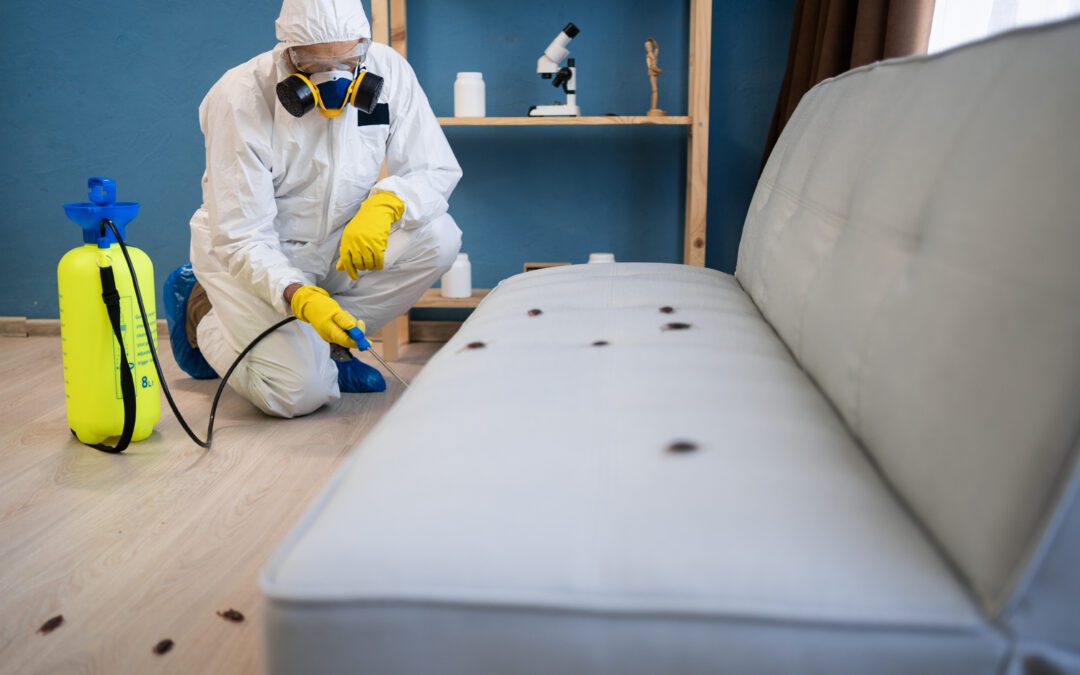
- Dark fecal spots (often look like pepper/ink dots)
- Tiny whitish eggs tucked into protected edges and seams
- Small blood smears on fabric surfaces
- Sweet, musty odor in heavier infestations
Quick “Did you know?” bed bug facts (useful when deciding what to buy)
Bed bugs can travel on belongings, including furniture, folded clothing, and overnight bags—without being noticed.
They hide in more than beds: screw holes, outlets, picture frames, curtains, and seams are all legitimate hiding spots.
A flashlight matters. Guidance for inspections commonly recommends using tools like a flashlight (and sometimes a magnifier) to spot evidence in cracks and seams.
Denver-friendly step-by-step: second-hand furniture bed bug inspection checklist
Use this as your repeatable routine before you bring any used item into your home, condo, or apartment.
Step 1: Bring the right tools (simple kit)
- Bright flashlight
- Magnifying glass (helpful for eggs/spots)
- Disposable gloves (especially if the item is dusty/unsanitary)
- Old credit card or thin tool to run along seams/edges
- Clear tape + small zipper bag (for capturing a specimen if you find one)
Step 2: Do a 60-second “reject fast” scan
Before you get emotionally attached to the deal, scan for:
- Dark spotting or smears on fabric or along seams
- Shed skins in corners/creases
- Musty odor (especially inside drawers or cushion wells)
Tip: If you see evidence, don’t “treat it and hope.” Walk away. A bargain can turn into a whole-home problem quickly.
Step 3: Inspect the exact places bed bugs prefer to hide
| Furniture type | Where to look (high-yield spots) | What to watch for |
| Upholstered chair/sofa | Seams, piping, zipper areas, under cushions, frame edges, stapled fabric underneath, cracks/unfinished wood | Spots, shed skins, eggs tucked in seams |
| Wood dresser/nightstand | Drawer joints, runners, corners, underside, back panel, and especially screw holes | Harborage in crevices, spotting in corners |
| Bed frame/headboard | Cracks, corners, bolt areas, joints; disassemble if possible for a real look | Clusters in tight joints, spotting near hardware |
| Any item brought indoors | Nearby wall edges/baseboards; if you suspect exposure, check behind switch plates/outlets in the room | Evidence outside the furniture itself |
Inspection targets like outlets, picture frames, curtains, and screw holes are frequently listed because bed bugs exploit protected voids and rough/unfinished areas.
Step 4: Quarantine before it touches bedrooms
If you buy the item, keep it out of sleeping areas at first (garage, covered patio, or a contained area indoors on a hard surface). Bed bugs often concentrate near where people rest, so preventing early contact helps reduce risk.
Step 5: If you’re unsure, monitor instead of guessing
Monitoring tools (like interceptor-style traps placed under furniture legs) can help detect activity you might miss visually and can support an integrated pest management approach.
Local angle: what Denver homeowners should keep in mind
In the Denver Metro and along the Front Range, buying activity tends to spike when people are moving, refreshing homes, or furnishing rentals—exactly when used items change hands quickly. The best protection is a consistent inspection habit:
- Avoid curbside “free” upholstered items—they’re the hardest to inspect and the riskiest to bring inside.
- Treat every purchase like it came from a hotel: inspect, quarantine, and only then place it in bedrooms.
- If you live in a condo/apartment, early detection matters—bed bugs can move through wall voids and outlets, so fast action helps protect neighboring units.
Want deeper reading on why heat is so effective for bed bug elimination? Visit Thermal Clean’s thermal heat remediation overview.
Think you found bed bugs? Get a professional assessment—fast
Thermal Clean provides Denver-area bed bug inspection and extermination using thermal heat remediation paired with targeted treatments and IPM planning. If you’re unsure about a used furniture purchase—or you’ve spotted evidence—getting clarity early can save you weeks of stress.
Related services: Bed Bug Extermination & Inspection and Residential Bed Bug Removal.
View the bed bug treatment prep checklist
FAQ: Second-hand furniture & bed bugs
Can bed bugs live in wooden furniture like dressers?
Yes. They can hide in joints, cracks, corners, back panels, and screw holes—any tight space that gives them cover.
What’s the fastest way to check a couch before buying?
Use a flashlight and focus on seams/piping, under cushions, and the stapled dust cover underneath. Look for dark spotting, shed skins, eggs, or live bugs.
Do bed bugs always bite right away if they’re in the furniture?
Not necessarily. Many people don’t notice bites immediately, and reactions vary. That’s why visual evidence (spots, skins, eggs, live bugs) is a more dependable screening method than waiting for bites.
If I’m moving in Denver, what should I inspect besides furniture?
Check luggage, folded clothes, bedding, and other belongings—bed bugs commonly spread by hitchhiking during travel and moves.
Where in a room do bed bugs hide if an infested item sits there for a while?
They can spread into nearby cracks/crevices—baseboards, wall voids, and behind outlets or switch plates are commonly listed inspection points.
If you need help beyond bed bugs, Thermal Clean also offers general pest control in Denver for ongoing prevention and peace of mind.
Glossary (plain-English bed bug terms)
Harborage: A protected hiding spot where bed bugs shelter (often cracks, seams, joints, and voids).
Fecal spotting: Dark dot-like stains (digested blood) that may appear on fabric seams, wood corners, or nearby surfaces—one of the most common visual signs of bed bugs.
Shed skins (molted skins): The outer “shells” bed bugs leave behind as they grow—often found in seams and protected edges.
Integrated Pest Management (IPM): A practical approach that combines inspection, monitoring, non-chemical tactics, and targeted treatments—rather than relying on a single product.