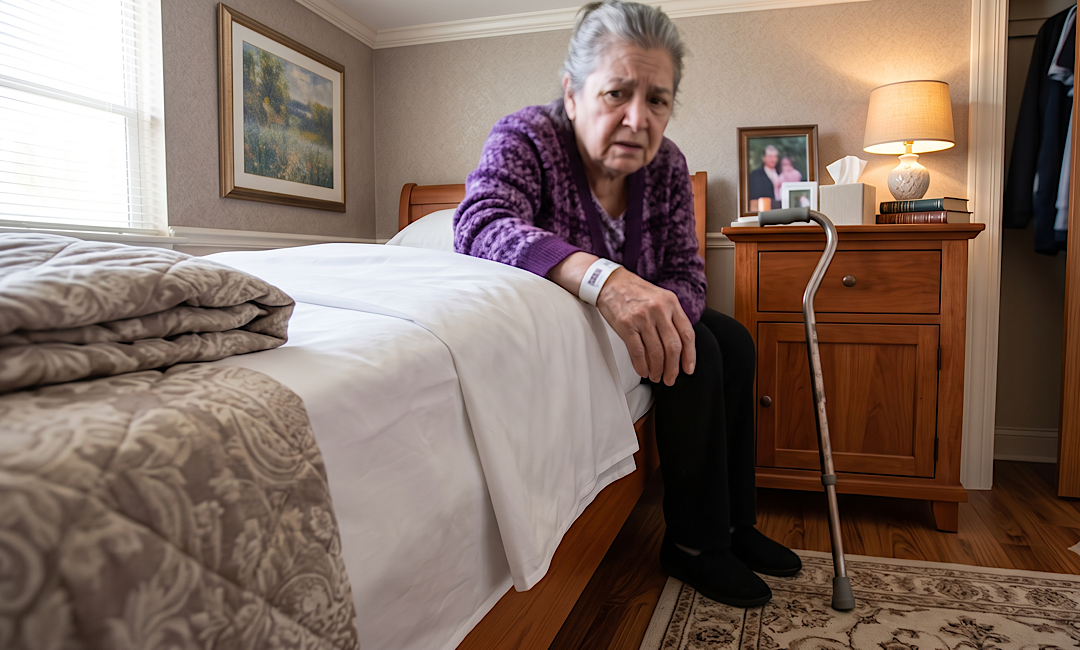
Discreet bed bug control that protects residents, reputation, and compliance
Assisted living and senior communities operate under a unique set of pressures: resident vulnerability, family trust, staff workflow, and the reality that even a single confirmed bed bug can trigger anxiety, complaints, and heightened scrutiny. For executive directors and facilities managers in Denver, the priority is clear—resolve the issue quickly, safely, and with minimal disruption. Commercial bed bug heat treatment is often the most practical solution when you need a same-day, whole-room approach that doesn’t rely on heavy chemical saturation and can be integrated into an inspection-ready plan.
Why bed bugs hit senior living differently
Bed bugs aren’t known to spread disease, but they
do create real health and operational consequences: itching and skin irritation, secondary infections from scratching, sleep disruption, and stress for residents and families. Public health agencies emphasize prevention, early detection, and professional remediation rather than DIY fixes—especially in environments with higher resident care needs and shared spaces.
In assisted living, infestations can also be harder to contain because of:
Frequent movement of wheelchairs, walkers, linens, and personal belongings between rooms
Multiple “soft” harborages (upholstered furniture, recliners, headboards, curtains)
Turnover and transitions (new residents, hospital returns, temporary stays)
Privacy and discretion requirements while still maintaining clear internal communication
How heat treatment works (and what “lethal temperature” really means)
Heat treatment targets bed bugs across all life stages—adults, nymphs, and eggs—by bringing the
infested environment to temperatures that bed bugs cannot survive. What matters most is not the thermostat reading in the middle of a room, but the temperature reached in
cracks, seams, and hidden voids where bed bugs harbor.
Authoritative guidance commonly cited in the industry notes that heating an area to at least 120°F (about 49°C) for around 90 minutes helps ensure eggs are killed, with higher temperatures reducing needed exposure time. Professional programs often aim higher and use sensors and airflow management to verify consistent heat penetration rather than “hot spots” in open areas.
Heat treatment success factors (what facilities should ask about)
| Factor | Why it matters in assisted living | What “good” looks like |
|---|
| Verified temperatures | Hidden areas (bed frames, baseboards, recliners) can lag behind room air | Multiple sensors placed in problem zones; documented readings |
| Air movement | Prevents “cool pockets” behind furniture and inside closets | Strategic fan placement; technicians adjust throughout the process |
| Item handling | Mobility devices, medical equipment, and resident belongings require planning | Clear do/don’t list; protection steps for heat-sensitive items |
| Integrated approach | Heat is powerful, but prevention and monitoring reduce recurrence | Follow-up inspection plan, monitoring, staff guidance |
| Discretion & logistics | Maintains resident dignity and avoids unnecessary disruption | Quiet scheduling, controlled access, clear internal comms protocol |
Facilities note: Heat treatment is not a “set it and forget it” service. Results depend heavily on technician attention, airflow management, and reaching lethal temperatures in the hardest-to-heat locations—not just the center of the room.
Heat vs. chemical-only treatment: what’s different for commercial properties
Many facilities leaders prefer heat because it can be completed in a single day and can reduce reliance on repeated pesticide applications. Chemical tools can still play a role (especially in an integrated plan), but chemical-only approaches often require more visits and strict re-entry timing, and may be harder to coordinate with resident care schedules.
| Consideration | Commercial heat treatment | Chemical-only program |
|---|
| Speed | Often same-day resolution when performed properly | Typically requires multiple service visits |
| Egg control | Heat can kill eggs when lethal temps are achieved throughout harborages | Eggs can be harder; follow-up treatments are commonly needed |
| Resident sensitivity | Reduced pesticide exposure (while still requiring safety protocols) | Potential odor/sensitivity concerns; re-entry rules apply |
| Operational planning | Requires careful prep and access for the treatment window | Requires coordination across multiple visits and resident schedules |
The best commercial bed bug programs align with Integrated Pest Management (IPM) principles—inspection, targeted treatment, monitoring, and prevention steps that make recurrence less likely.
Quick “Did you know?” facts for staff and family conversations
Bed bugs can happen anywhere. They’re found in all kinds of buildings, including high-end properties—an infestation is not a cleanliness issue.
Heat is a recognized non-chemical control method. When properly executed, it can kill bed bugs and eggs by reaching lethal temperatures in harborages.
Early detection reduces cost and disruption. Faster response usually means fewer rooms involved and a simpler containment plan.
Step-by-step: a facility-ready plan for bed bug heat treatment
This workflow is designed for assisted living operations—clear roles, minimal resident disruption, and documentation you can reference in internal audits.
1) Confirm and map the issue (don’t assume it’s “just one room”)
Start with a professional inspection plan that identifies likely harborage zones: beds, upholstered seating, baseboards, bedside furniture, and shared laundry/linen pathways. Capture room numbers, dates, and where signs were observed (visual confirmation, cast skins, fecal spotting).
2) Choose a treatment footprint that prevents “whack-a-mole” spread
In multi-room environments, containment is as important as treatment. Consider adjacent rooms, furniture migration, and staff movement patterns. A good provider will help you decide whether a single room, a suite, or a cluster approach is the lowest-risk option.
3) Prepare safely (with a checklist your team can follow)
Heat treatment prep is where commercial jobs succeed or fail. Use a written checklist that addresses:
Heat-sensitive items (medical supplies, aerosol cans, certain electronics, medications, mobility battery packs)
Laundry and bagging protocols to prevent hallway spread
Room access (closets, drawers, furniture spacing for airflow)
Privacy procedures (discreet signage, staff-only coordination)
For Denver facilities working with Thermal Clean, the onsite prep process can be supported with their published checklist here:
Bed Bug Treatment Prep Checklist.
4) Execute treatment with verification (not guesswork)
Professional heat remediation uses high-output heaters, airflow control, and temperature monitoring to ensure the hardest-to-reach zones reach bed bug-lethal conditions for the needed duration. In commercial settings, ask how sensors are placed and how the team confirms that target areas (not just room air) reached lethal temperatures.
5) Prevent reintroduction with IPM-style monitoring
After treatment, maintain a simple monitoring routine: periodic inspections, staff reporting pathways, and clear procedures for handling luggage, donated furniture, and resident moves. A sustainable IPM plan relies on consistent inspection and prevention—not just one-time response.
Helpful internal link: If you need a provider that supports commercial environments (apartments, offices, schools, and multi-unit properties), review Thermal Clean’s service overview for
Commercial Bed Bug Extermination.
Denver + Front Range local angle: why speed and discretion matter here
Denver’s assisted living communities often balance high occupancy, frequent visitors, and ongoing vendor traffic—ideal conditions for accidental bed bug introduction. Because bed bugs can hitchhike on personal items, early response is the most reliable way to keep an isolated issue from becoming a multi-room event.
For facilities across Denver and Colorado’s Front Range, heat treatment is especially useful when you want a solution that can be scheduled tightly, completed in a single day, and integrated into a documented prevention plan. If you’re also managing broader pest pressures, align bed bug work with a year-round program (especially in multi-unit and commercial properties).
Need discreet commercial bed bug heat treatment in Denver?
If your assisted living community needs fast containment, minimal disruption, and a heat-based approach designed for commercial operations, Thermal Clean can help you build a treatment and prevention plan that protects residents and supports compliance readiness.
FAQ: Commercial bed bug heat treatment for assisted living facilities
Can bed bug heat treatment be done without relocating frail residents?
Many commercial jobs are planned to minimize relocation, but the treated room(s) must be vacant during heating for safety. The best approach is a coordinated schedule with your care team—temporary room swaps or short off-floor time—so residents remain comfortable while treatment is completed.
What temperature kills bed bugs during a professional heat treatment?
Industry guidance commonly references reaching at least 120°F for a sustained period (often around 90 minutes) to ensure eggs are killed, with higher temperatures requiring less time. What matters most is verified heat penetration into harborages—not just warm room air.
Is heat treatment “chemical-free”?
Heat is a non-chemical control method. Some commercial programs may still use limited, targeted products as part of an integrated plan (for example, to protect edges or reduce reinfestation risk). If your facility has sensitivity concerns, ask your provider to outline exactly what is used, where, and why.
How do we avoid bed bug spread during linen and housekeeping routines?
Use sealed bagging protocols from room-to-laundry, avoid placing linens in hallways, and train staff to report suspected signs immediately. A provider can also recommend monitoring devices and inspection intervals to keep you ahead of problems.
What should we do before the treatment date?
Follow a written prep checklist so your team knows what to move, what to protect, and what must remain accessible for airflow. For Thermal Clean’s recommended steps, use:
Thermal Clean’s Preparation Checklist.
Glossary (facility-friendly terms)
Harborage
A protected hiding spot where bed bugs live (seams, cracks, joints, behind baseboards, inside furniture).
Integrated Pest Management (IPM)
A prevention-first approach that combines inspection, monitoring, targeted treatment, housekeeping, and exclusion to reduce pests long-term.
Thermal heat remediation
Professional heat treatment designed to raise room and harborage temperatures to bed bug-lethal levels, verified through monitoring and technician adjustments.
Monitoring
Post-treatment checks and tools (routine inspections, interceptors, documentation) used to confirm control and catch reintroduction early.
Next step: If you’re building a written bed bug response plan for your Denver facility, start with a clear prep checklist, a documented inspection workflow, and a treatment partner that can deliver verified temperatures and discretion. When you’re ready, contact Thermal Clean here:
Schedule with Thermal Clean.