
A practical inspection guide for second-hand furniture, apartments, and “mystery bites”
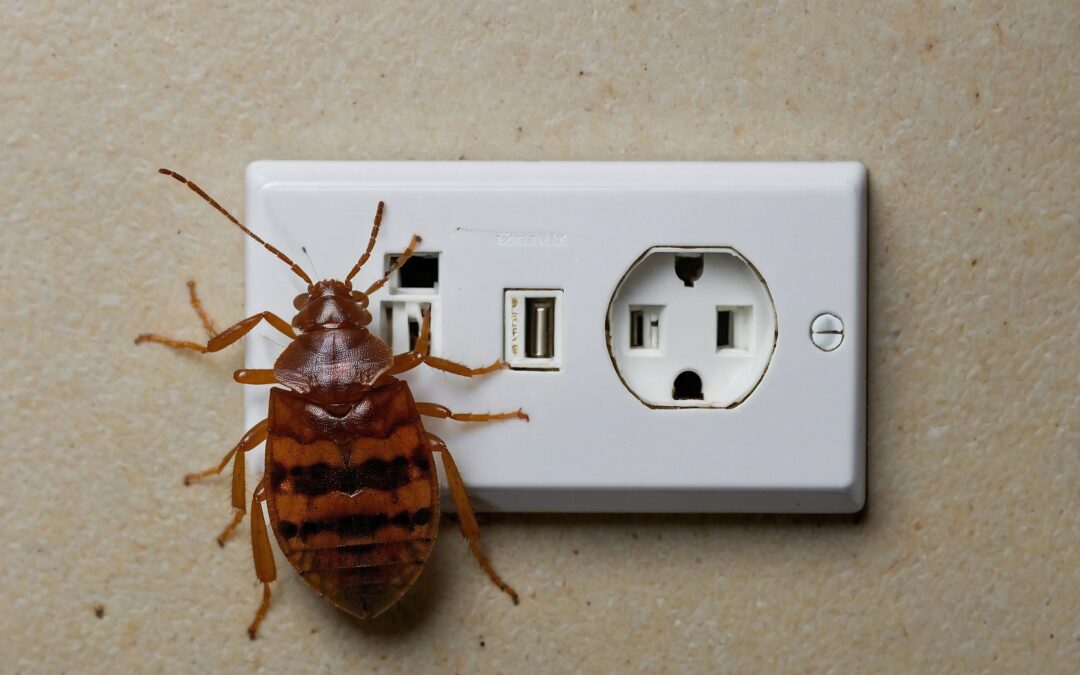
Bed bugs are famous for hiding in mattress seams and bed frames, but in real homes and multi-unit buildings, they can also tuck into tiny cracks, wall voids, and even areas around electrical outlets—especially when those outlets are close to where people sleep. The good news: you don’t need special equipment to start a smart inspection. With a flashlight, a few simple tools, and a plan, you can catch early warning signs before a small problem becomes a full-home infestation.
Can bed bugs really hide in walls and outlets?
Yes—bed bugs are “harborage” pests, meaning they squeeze into tight, protected spaces during the day and come out primarily at night to feed. Public health and pest management guidance consistently notes that they can hide in cracks/crevices and even behind wallpaper, typically staying close to where people rest or sleep.
Outlets and switch plates can be part of that hidden network because they’re surrounded by small gaps and lead into wall voids. What matters most is proximity: if an outlet is within a few feet of a bed, couch, or recliner, it’s worth inspecting—especially if you’re seeing bites, finding small dark specks, or noticing other classic signs.
What to look for: signs that bed bugs are nearby
Bites can be a clue, but they’re not a reliable “yes/no” test—some people don’t react much, and skin irritation can come from other causes. Instead, focus on physical evidence:
- Rust-colored or dark spotting on sheets, mattresses, baseboards, or near furniture (blood spots and fecal staining).
- Shed skins (translucent “shells” from molting).
- Live bugs in seams, corners, or crevices (adults are apple-seed sized; nymphs are smaller and lighter).
- Sweet, musty odor in heavier infestations.
For an overview of where bed bugs hide (and common signs), the CDC’s bed bug guidance is a helpful baseline.
Step-by-step: how to inspect outlets, baseboards, and wall edges safely
Safety note: If you’re inspecting an outlet plate more closely, turn off power at the breaker first. If you’re not comfortable doing that, skip removal and focus on the surrounding seams and nearby hiding spots.
1) Gather a simple inspection kit
- Bright flashlight (phone flashlight works, but brighter is better)
- Old card (like a gift card) to gently “squeegee” along cracks
- Clear tape (for picking up suspicious specks)
- Zip-top bags (label where you found evidence)
- Optional: magnifying glass
2) Start where you rest (not where you store)
Bed bugs typically cluster within a short distance of sleeping areas. Begin with the bed frame/headboard, mattress seams, box spring edges, and the wall line behind the bed.
3) Inspect wall edges and baseboards
Slowly run the flashlight along baseboards, carpet edges, tack strips (if accessible), and any cracked caulk lines. Use the card to gently scrape in the crack—if you see pepper-like specks or shed skins, capture a sample with tape.
4) Check outlets and switch plates (closest to beds/sofas first)
Look for staining around the plate edges and in the seam where the cover meets the wall. If you choose to remove the plate (power off), use the flashlight to check the edges of the electrical box and the immediate cavity—do not probe inside wiring areas. (Many professional discussions of bed bug “cold sink” survival areas also include wall voids as potential refuge spaces.)
5) Expand the radius: nightstands, couches, and picture frames
Once you’ve checked the bed/sleep zone, move outward: nightstand joints, drawer corners, upholstered furniture seams, curtain hems, and anything mounted near the bed (frames, mirrors, wall décor). Pay special attention to items that sit flush against the wall.
Buying second-hand furniture in Denver: a quick prevention checklist
Denver-area homeowners and renters often pick up furniture from estate sales, thrift stores, and Marketplace listings—especially in warmer months when moving and redecorating spike. A few minutes of prevention can save weeks of stress later.
| Item | High-risk spots to inspect | Safer alternatives |
| Upholstered couch/chair | Seams, piping, zipper areas, underside fabric (dust cover), stapled edges | New or professionally treated items; non-upholstered seating |
| Bed frame/headboard | Joints, screw holes, cracks, mounting brackets, behind fabric panels | Metal frames with fewer seams; simple platform designs |
| Dresser/nightstand | Drawer corners, underside, back panel, joints and grooves | Hard-surface items you can fully inspect and wipe down |
| Mattress/box spring | Seams, labels, tufts, stapled corners (box spring), beneath fabric | Avoid used whenever possible; use encasements for protection/monitoring |
Pro tip: quarantine before it enters the bedroom
If you’re unsure about an item, keep it in a garage or isolated area while you inspect in bright light. For smaller belongings (bags, certain textiles), heat-based approaches can be part of an integrated plan—dryers are commonly recommended because washing alone may not kill bed bugs.
Why “DIY sprays” often miss wall/outlet bed bugs (and what works better)
When bed bugs spread beyond the bed and into cracks, baseboards, and voids, quick over-the-counter spraying can backfire—pushing activity deeper into hiding places or leaving untreated harborages behind. The EPA emphasizes that bed bug control is most effective with an Integrated Pest Management (IPM) approach, combining non-chemical methods, targeted pesticide use when appropriate, and diligent follow-through.
Heat + targeted products + monitoring: the IPM advantage
Professional heat remediation aims to bring the environment to lethal temperatures for long enough to kill all life stages, including eggs. Guidance for whole-room heat commonly references minimum exposure thresholds (time and temperature) to achieve reliable mortality.
When you suspect activity in outlets or wall edges, a professional plan can also include carefully selected residual products or dusts in appropriate cracks/void-adjacent areas—paired with monitoring devices to confirm the infestation is gone. (Always follow labels and use licensed help when in doubt.)
Why thermal heat works | Bed bug inspection & extermination | Prep checklist for treatment day
A Denver & Front Range angle: why multi-unit living changes the game
In Denver’s mix of historic homes, newer builds, and dense apartment/condo communities, bed bugs can be introduced through travel, visitors, move-ins, or second-hand furniture. In multi-unit properties, wall voids, baseboard gaps, and shared pathways can complicate control—so early detection matters. If you’re in an apartment or condo and suspect bed bugs near outlets or along shared walls, document what you find (photos + bagged samples) and notify property management promptly.
For Denver-area businesses (property managers, hotels, offices, and shelters), rapid response and standardized inspection routines help reduce downtime and protect tenants/guests.
Residential bed bug removal | Commercial bed bug extermination | General pest control in Denver
Ready for clarity? Get a professional inspection from Thermal Clean.
If you suspect bed bugs in walls, baseboards, or outlets, speed matters. Thermal Clean serves the Denver Metro and Colorado Front Range with inspection-driven plans that pair thermal heat remediation and targeted applications as needed—designed to eliminate bed bugs in a single treatment day and help prevent re-infestation.
Request Service / Get a Quote Ask a Technician a Question
FAQ: Bed bugs in walls and outlets
Do bed bugs live inside electrical outlets?
They can hide around outlet plates and in nearby wall void spaces, especially when the outlet is near a bed or couch. Treat outlets as an inspection “checkpoint,” not the only place to look.
What’s the fastest way to confirm bed bugs?
Physical evidence is best: live bugs, shed skins, eggs, or spotting near sleeping areas. The CDC notes they often hide in mattress seams, bed frames, and cracks/crevices; start there and work outward.
If I only see bites, should I treat my whole home?
Not necessarily. Bites alone can be misleading. Focus on inspection and evidence collection first. If you suspect bed bugs, an IPM approach (multiple methods, not just spraying) is widely recommended for effective control.
Does heat treatment kill bed bugs in wall voids?
Professional heat remediation is designed to raise temperatures long enough to kill bed bugs at all life stages. Minimum time/temperature targets are commonly referenced in professional guidance, and experienced crews focus on airflow and temperature mapping so heat penetrates into harder-to-reach areas.
I’m in an apartment in Denver—should I tell my landlord?
Yes. Early reporting can help coordinate inspection and treatment appropriately, especially if the issue involves shared walls or adjacent units.
Glossary (quick definitions)
Harborage: A protected hiding place where pests gather and rest (cracks, seams, voids).
Wall void: The empty cavity space inside a wall (behind drywall), where pests can travel or hide.
IPM (Integrated Pest Management): A strategy that combines inspection, non-chemical methods, targeted product use when needed, and monitoring to get control and verify the problem is solved.
Thermal heat remediation: A professional treatment method that uses controlled high heat to reach lethal temperatures for bed bugs throughout a room or structure.