
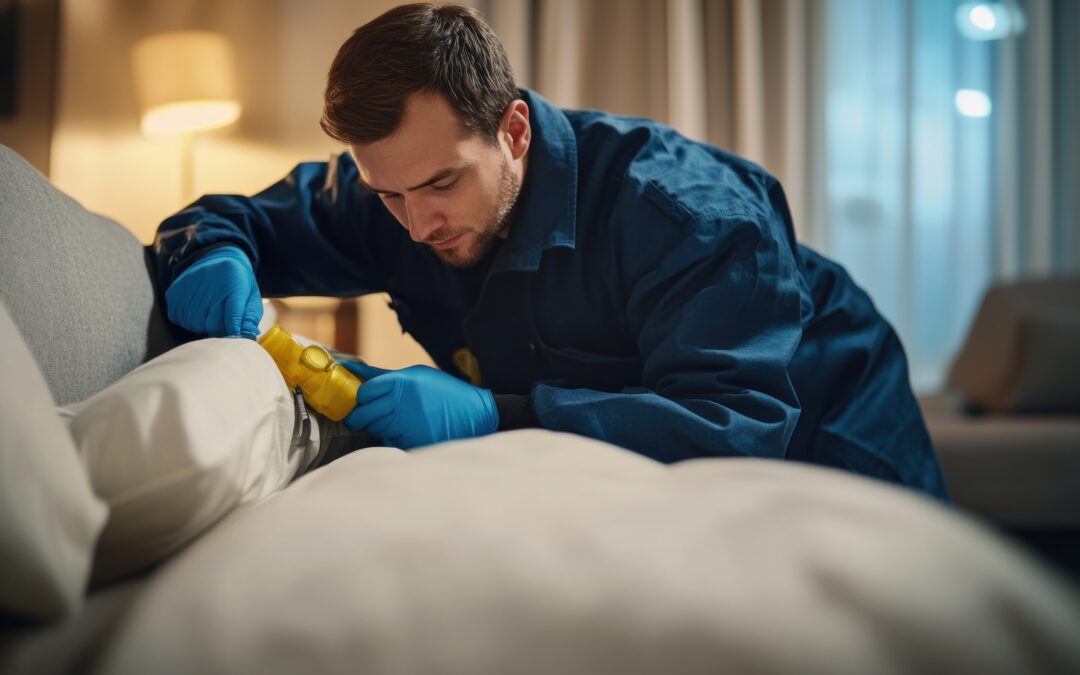
Peak travel season is great for bookings—until a single hitchhiker derails your calendar.
In Denver, short-term rentals and small hospitality operators see a steady wave of guests during spring and summer. That turnover is also the #1 reason bed bugs show up in otherwise clean, well-managed spaces: they’re often introduced by luggage, clothing, or used items—not “dirtiness.” Denver’s own public health guidance notes that infestations most commonly start when bed bugs are brought into a dwelling on belongings or furnishings.
This guide lays out an “easy-to-run” prevention and early detection system built for Airbnb hosts, property managers, and small operators—designed to protect occupancy, reduce risk, and help you respond quickly if you spot a warning sign.
What “bed bug prevention” actually means for short-term rentals
For hosts, prevention isn’t one magic product—it’s a repeatable routine that combines (1) reducing hiding places, (2) monitoring for early activity, and (3) having a response plan. The U.S. EPA recommends an Integrated Pest Management (IPM) approach for bed bugs, combining non-chemical and (when needed) targeted chemical tools, plus ongoing monitoring.
The goal is simple: catch a problem early—before it spreads to adjacent rooms/units, triggers cancellations, or damages guest trust.
Early warning signs your cleaner can spot in 2 minutes
Train for patterns (not just “seeing a bug”). Ask your team to look for:
- Small dark spotting on sheets/pillowcases near the head of the bed (possible fecal staining)
- Rusty smears (possible crushed bugs)
- Pale shed skins in seams or corners
- Multiple bite complaints that cluster around the bed (not proof by itself, but a strong prompt to inspect)
Because bed bugs are experts at hiding, routine inspection of seams, tufts, and tight cracks is more reliable than waiting for a “full sighting.”
Your prevention priorities (highest ROI first)
If you only do a few things, do these consistently:
- Install bed bug interceptors under bed legs (monitoring + early capture)
- Use mattress + box spring encasements to reduce hiding places and simplify inspection
- Keep beds slightly away from walls; avoid bedding touching the floor
- Reduce clutter and “soft storage” under beds
Monitoring matters because bed bugs are often introduced by travel items; Denver’s public health info emphasizes that bringing infested items into a home is a primary cause of infestations.
Airbnb bed bug prevention for hosts: a step-by-step routine (turnover-friendly)
Step 1: Standardize a 60–90 second “bed zone” inspection
Make this a checklist item for every turnover (even if your cleaner is rushing). Focus on the highest-probability hiding spots:
- Mattress seams and piping (especially at the head of the bed)
- Box spring underside edges and stapled fabric
- Headboard joints and wall-side edges
- Nightstand seams and drawer corners
Tip: Keep a small flashlight in the unit and ask cleaners to photograph anything suspicious before discarding bedding or vacuuming.
Step 2: Add passive monitors that don’t rely on “perfect inspections”
Interceptors under bed legs and simple monitoring tools can reveal activity early, even when no one sees bugs directly. EPA materials emphasize surveillance and monitoring as part of comprehensive control.
Assign a monthly task: check interceptors and log results (date + unit + “clear” or “activity”).
Step 3: Heat-based laundry practices that reduce risk
For linens, heat is your ally. Use the highest dryer heat setting safe for the fabric and dry thoroughly. If you’re dealing with a suspected exposure (guest reports bites, suspicious stains), separate bagging and heat-drying items before reintroducing them to the unit can reduce risk.
Avoid “linen staging” on upholstered chairs or carpets; keep clean linens in sealed bins or bags until placed on the bed.
Step 4: Reduce “hitchhiker highways” (simple layout choices)
- Keep luggage racks available and easy to find (guests use them when they’re convenient)
- Place a hard-surface luggage zone away from the bed (not on upholstered benches)
- Seal cracks and tighten loose headboards/trim (fewer hiding points)
The more you steer bags away from beds and upholstered furniture, the fewer opportunities bed bugs have to settle in.
Step 5: Know when DIY stops and professional IPM begins
Sprays alone often fail when they miss hidden harborages or eggs. EPA guidance stresses that bed bug control works best as a comprehensive IPM program (non-chemical + targeted chemical options + monitoring).
If you confirm bed bugs or have repeated bite reports plus suspicious signs, bring in a bed-bug-experienced pro quickly—before adjacent units, soft furniture, or wall voids become involved.
Helpful on-site resources from Thermal Clean:
- Prep and safety checklist for treatment day: Bed Bug Treatment Guide & Prep Checklist
- Why heat remediation works (and where it fits in IPM): Heat Remediation for Bed Bugs
- Service options for rentals, apartments, and businesses: Commercial Bed Bug Extermination
- If you need an inspection quickly: Bed Bug Extermination & Inspection
Quick comparison: prevention tools for short-term rentals
| Tool | Best for | Pros | Limitations |
| Interceptors | Early detection between guests | Low cost; passive monitoring; easy to check | Works best when beds are isolated (no bedding on floor/walls) |
| Encasements | Reducing mattress/box spring hiding spots | Simplifies inspection; protects investment | Not a standalone prevention method—still need monitoring/inspection |
| Routine seam inspections | Fast detection at turnovers | No equipment; can be standardized for cleaners | Human-dependent; can miss early/hidden activity without monitors |
| Professional IPM + heat remediation | Confirmed infestations; fast turnaround needs | Comprehensive approach; targets multiple life stages; reduces downtime when done correctly | Requires prep and expert execution; still needs post-treatment monitoring |
Note: EPA recommends Integrated Pest Management (IPM) for bed bugs, combining multiple methods plus monitoring.
Local angle: Denver hosts, multi-unit buildings, and the “shared wall” risk
If you manage condos, apartments, or multi-unit short-term rentals in the Denver Metro, bed bugs can become a building issue—not just a unit issue. That’s why monitoring and fast response matter. Colorado public health resources encourage hiring experienced pest management professionals for inspection and extermination guidance.
Operationally, it helps to treat prevention like a building standard: consistent encasements, consistent interceptor checks, and a clear protocol when a guest reports bites (document, inspect, isolate linens, and schedule professional evaluation when needed).
Need a fast bed bug inspection or a one-day treatment plan in Denver?
Thermal Clean provides Denver-area bed bug extermination using thermal heat remediation paired with targeted applications and IPM-style planning—built for short-term rental realities like tight turnovers and reputation-sensitive operations.
For other nuisance pests between guest stays, you can also explore: General Pest Control in Denver.
Request a Quote / Schedule an Inspection
Tip: Mention “short-term rental” and how soon your next check-in is.
FAQ: Bed bug prevention for Airbnb hosts
Are bed bugs a sign my rental isn’t clean?
Not necessarily. Bed bugs are often introduced by travel items, used furniture, or belongings. Denver’s public health information highlights that bringing an item containing bed bugs into a dwelling is a primary cause of infestations.
What’s the most practical “always-on” monitoring tool for hosts?
Interceptors under bed legs are popular because they’re passive, inexpensive, and easy for cleaners to check during turnovers. Monitoring and surveillance are key parts of comprehensive bed bug management.
Should I spray the room myself if a guest reports bites?
Be cautious. Bites alone aren’t proof, and incorrect pesticide use can make problems harder to solve (and can create safety issues). The U.S. EPA recommends an IPM approach—combining multiple methods and using chemicals thoughtfully when appropriate.
How fast can bed bugs spread in a multi-unit building?
Spread risk increases with time and with more hiding opportunities (clutter, shared walls, upholstered furniture, frequent unit turns). That’s why hosts and property managers benefit from standardized inspections, monitoring, and quick professional escalation when signs appear.
Where can I find local guidance for Denver/Colorado?
Colorado and Denver public health resources provide general information and encourage contacting experienced pest management professionals for inspection and extermination support.
Glossary (helpful terms for hosts and property managers)
IPM (Integrated Pest Management): A strategy recommended by the U.S. EPA that combines non-chemical methods, careful chemical use when needed, and ongoing monitoring to manage pests effectively.
Interceptor: A small pitfall-style device placed under bed legs that can help trap or reveal bed bugs moving between the floor and the bed.
Encasement: A zippered cover designed to fully enclose a mattress or box spring, reducing hiding places and making inspections easier.
Harborage: A protected hiding spot where bed bugs cluster (often seams, cracks, joints, and fabric folds).