
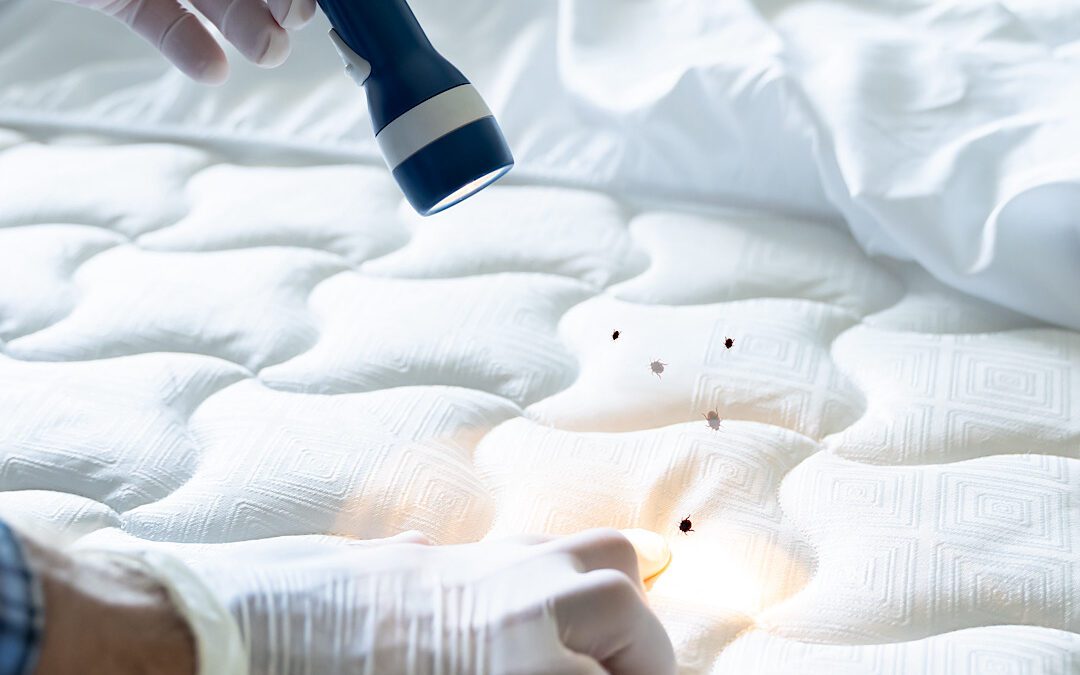
Introduction to Bed Bug Challenges in Denver
The rise in bed bug infestations has become a significant urban challenge, with dense populations and high tenant turnover rates providing a perfect environment for these pests to thrive. In Denver and its neighboring areas, like Boulder and Lakewood, residents are increasingly facing the nuisance of bed bugs.
Denver’s unique geographical and climatic conditions, coupled with its growing population, exacerbate the bed bug problem. Residential complexes, hotels, and public transportation hubs in these urban setups face persistent threats. Lack of awareness and delayed intervention further contribute to the rapid spread and establishment of bed bug populations in these communities.
Understanding Thermal Heat Remediation
Thermal heat remediation stands as a cutting-edge method in the battle against bed bugs, specifically designed to eradicate these pests comprehensively. This technique involves heating the affected area to a temperature that bed bugs cannot survive. The process typically raises the room temperature to between 135°F (57°C) and 145°F (63°C), a range proven fatal to bed bugs, their larvae, and eggs.
This heat treatment is not only effective but also offers significant advantages over conventional pesticide applications. Firstly, it eliminates the need for chemical exposure, making it a safer option for both residents and the environment. Additionally, this method can penetrate into tiny crevices and upholstery where bed bugs hide, places that are often hard to reach with traditional pesticide treatments. The comprehensive nature of heat treatment ensures that all life stages of bed bugs are targeted, minimizing the chance of reinfestation and thus enhancing its effectiveness as a pest control strategy.
Pesticide Application Techniques for Bed Bug Control
In addition to thermal heat remediation, pesticide applications remain a crucial component of comprehensive bed bug management. At Thermal Clean, we employ a variety of pesticides carefully selected based on their efficacy and safety profiles to combat bed bug infestations effectively.
The types of pesticides used include contact insecticides, which kill bed bugs on contact, and residual insecticides which provide long-term protection by creating a protective barrier that kills bed bugs as they come into contact over time. Each pesticide is chosen not only for its potency against bed bugs but also for its minimal impact on humans and pets, ensuring safety throughout the treatment process.
To ensure complete eradication of bed bug infestations, professionals at Thermal Clean follow a rigorous protocol. Initially, a thorough inspection is conducted to determine the extent of the infestation and the areas most affected. Based on these findings, a targeted application strategy is implemented, focusing on high-risk areas such as beds, furniture, and wall cracks. This precision application helps in minimizing pesticide use while maximizing its effectiveness.
Throughout the treatment, safety measures are strictly adhered to, with residents often asked to vacate the premises temporarily to avoid any health risks. After the pesticide application, a follow-up visit is scheduled to assess the effectiveness of the treatment and to apply additional treatments if needed, ensuring no bed bugs are left behind.
Customized Bed Bug Control Plans for Denver Homes
At Thermal Clean, understanding the unique challenges of each property is key to our success in eliminating bed bug infestations. Whether it’s a sprawling residential home, a cramped apartment, or a commercial venue, each space in Denver presents distinct environments where bed bugs can thrive. Consequently, we design tailored solutions that are meticulously planned and executed based on the specific requirements of each property type.
For instance, larger residential homes may require a more extensive approach to heat treatment due to their size and complexity. In contrast, smaller apartments might benefit more from a combination of direct pesticide applications and smaller-scale heat remediations. Commercial spaces, particularly those with high human traffic, such as hotels and offices, necessitate a robust approach to both preventative measures and active treatments to ensure thorough coverage and risk minimization.
Don’t leave your home vulnerable to a recurring infestation. At Thermal Clean, our bed bug extermination services in Denver include thorough post-treatment inspections and warranty-backed protection to ensure long-term results. We don’t just treat the problem — we make sure it stays gone. Contact Thermal Clean today at 720-712-4266 to schedule your inspection and reclaim your home with confidence.
Bed Bug Infestations FAQS in Denver
What are the most effective bed bug treatment options in Denver?
Professional bed bug treatment in Denver often includes heat remediation, targeted pesticide applications, and integrated pest management strategies to eliminate infestations.How common are bed bugs in Denver homes and apartments?
Bed bugs in Denver are increasingly common due to travel and multi-unit housing. Infestations can spread quickly without prompt professional treatment.When should I call pest control for bed bugs in Denver?
If you notice bites, live bugs, or dark stains on mattresses and furniture, contact a pest control bed bug specialist in Denver immediately to prevent the infestation from worsening.Is heat treatment effective for bed bug infestations in Denver?
Yes, heat treatment is one of the most effective methods for eliminating bed bug infestations in Denver because it kills adults, nymphs, and eggs in one controlled service.How can I prevent bed bug infestations after treatment in Denver?
Prevent bed bug infestations in Denver by inspecting luggage after travel, reducing clutter, sealing cracks, and following all post-treatment guidelines from your provider.