
Ensuring Your Home or Property Stays Bed Bug-Free Long After Treatment
You’ve taken the most effective step toward reclaiming your space by choosing a professional heat treatment for bed bugs. The relief that comes from a successful, one-day extermination is significant. However, the work isn’t entirely over. Vigilant post-treatment monitoring is the key to ensuring a long-term solution, especially here in Denver where the constant flow of tourists and residents from holiday travel or ski trips can introduce new threats. This guide provides a clear, structured plan for homeowners and property managers to effectively monitor for bed bugs after a heat remediation treatment, giving you lasting peace of mind.
Why Monitoring After Heat Treatment is Non-Negotiable
Thermal heat treatment is incredibly effective, penetrating walls and furniture to eliminate bed bugs and their eggs in a single session. At Thermal Clean, we pride ourselves on a 99% first-treatment success rate. So, why is monitoring still so important? The answer lies in preventing re-infestation. A successful treatment clears your property, but it doesn’t create an impenetrable barrier. Bed bugs are expert hitchhikers and can be reintroduced through:
- Guests or Tenants: Visitors or new tenants can unknowingly bring bed bugs from an infested location.
- Travel: Luggage, backpacks, and clothing are common vessels for bed bugs picked up in hotels, airports, or on public transit.
- Adjacent Units: In multi-unit buildings like apartments or condos, bed bugs can travel between units through walls and utility lines if the entire building isn’t treated.
- Used Furniture: Secondhand items, especially mattresses and upholstered furniture, carry a high risk of harboring bed bugs.
A consistent monitoring plan helps you catch any new introductions early, before a few stray bugs can escalate into a full-blown infestation. This is crucial for both residential homes and essential for maintaining a pest-free environment in commercial properties.
Your Post-Treatment Monitoring Action Plan
A proactive approach is your best defense. Here is a simple, effective monitoring routine to adopt in the weeks and months following your treatment.
Step 1: Install Bed Bug Interceptors
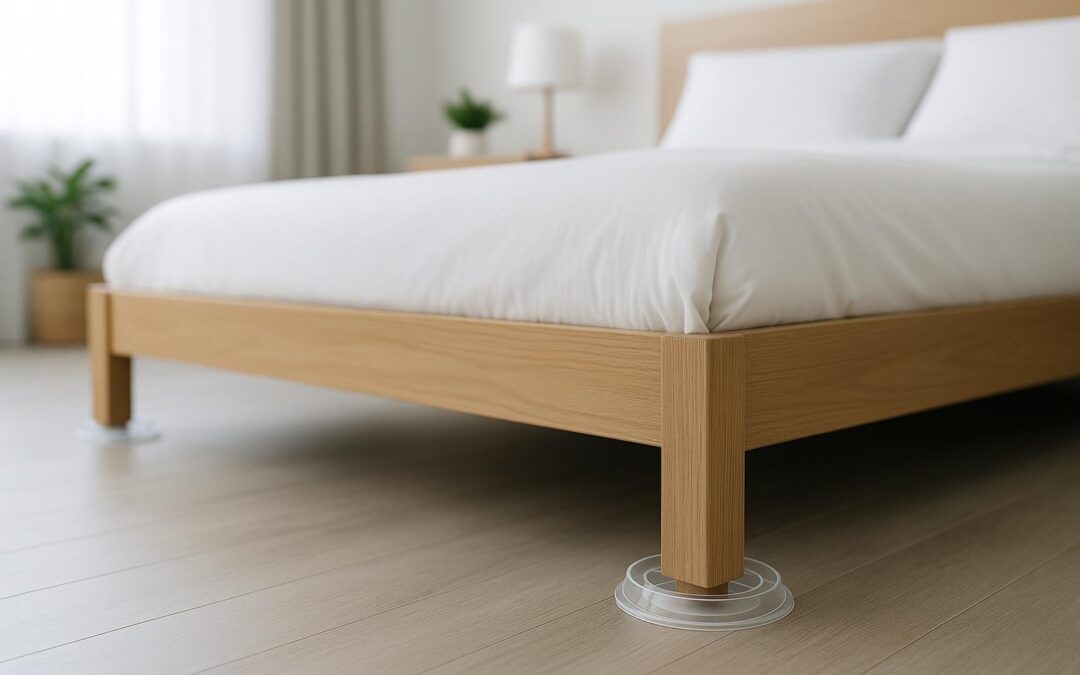
Immediately after your belongings are moved back into place, install bed bug interceptors or traps under each leg of your bed frame, sofas, and other key furniture. These simple devices trap bugs as they try to climb up or down furniture, acting as an excellent early warning system. Check them weekly with a flashlight for any signs of activity.
Step 2: Conduct Regular Visual Inspections
Once a month, perform a thorough visual inspection of common bed bug hiding spots. This methodical check reinforces your monitoring efforts. Pay close attention to:
- Mattress & Box Spring: Check the seams, tufts, and labels of your mattress and the corners of your box spring.
- Bed Frame & Headboard: Inspect all joints, cracks, and screw holes. Remove the headboard to check behind it.
- Nearby Furniture: Examine nightstands, dressers, and upholstered chairs, paying attention to drawers and seams.
- Room Perimeters: Look along baseboards, behind loose wallpaper, and around window and door frames.
Step 3: Know the Signs
During your inspections, you’re looking for more than just live bugs. Keep an eye out for these tell-tale signs, which are often easier to spot:
- Small, dark reddish-brown fecal spots that look like ink dots.
- Translucent, pale shed skins from nymphs as they grow.
- Tiny, white, oval-shaped eggs (about 1mm), often found in clusters.
Learn more from our official bed bug facts page for a deeper understanding.
Did You Know?
Bed bugs can survive for several months without feeding, depending on temperature and humidity. This is why a stray bug brought in on luggage can go unnoticed long enough to start a new infestation. Consistent monitoring is the only way to catch these silent invaders before they multiply.
The Denver & Colorado Front Range Angle
Life in Denver and along the Front Range is active. From ski season tourism to a dynamic rental market, our lifestyle presents unique challenges for bed bug control. Winter doesn’t kill bed bugs; it just drives them to seek warmth and shelter indoors, making our homes even more attractive targets.
For property managers, tenant turnover is a critical risk factor. Implementing a standardized pest monitoring protocol upon move-out and before move-in can significantly reduce the risk of infestations spreading through a building. For homeowners, it’s about diligence after travel. Always inspect your luggage outside or in a garage before bringing it indoors, and wash all clothing in hot water immediately upon returning home.
Protect Your Investment and Your Peace of Mind
Whether you’re managing a multi-unit property or protecting your family’s home, staying vigilant is the best way to safeguard against bed bugs. If you spot any signs of a new problem, don’t wait.
Frequently Asked Questions
How long should I monitor for bed bugs after a heat treatment?
We recommend active monitoring for at least 60-90 days post-treatment. Check interceptor traps weekly and conduct thorough visual inspections monthly. After this period, continue with quarterly inspections as a general preventative measure.
Can bed bugs come back after a professional heat treatment?
Heat treatment eliminates the existing infestation, but it does not prevent new bed bugs from being introduced. Re-infestation is possible if bugs are carried in on personal belongings, by guests, or from neighboring units. This is precisely why post-treatment monitoring is so critical.
What should I do if I find a bug during my monitoring?
If you find what you suspect is a bed bug, try to collect it in a sealed bag or container. Contact Thermal Clean immediately. Our experts can identify the specimen and determine the best course of action. An early response can stop a minor issue from becoming a major problem.
Are bed bug mattress encasements worth it?
Absolutely. High-quality mattress and box spring encasements are an essential tool. They trap any bugs that may have survived inside (unlikely with heat treatment) and prevent new bugs from using these areas as a hiding spot, making inspections much simpler and more effective.